
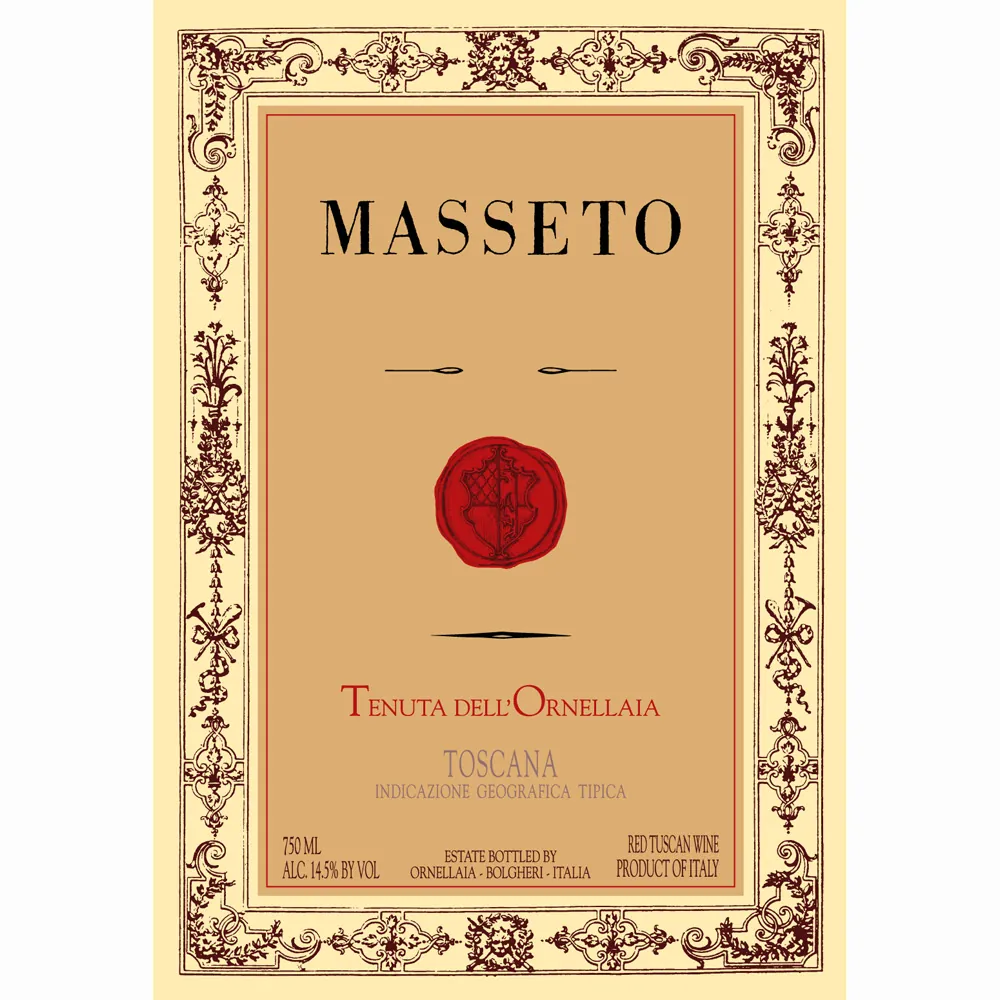
Masseto by Masseto is an iconic, single-vineyard Super Tuscan red made entirely from Merlot, grown on just seven hectare…Masseto by Masseto is an iconic, single-vineyard Super Tuscan red made entirely from Merlot, grown on just seven hectares of blue- and grey-clay soils on the Masseto hill in Bolgheri on Tuscany’s coast. Crafted by the Masseto estate (histor…Learn More »
N/A
/750ml
1996 Retail Average
92
/100
1996 Pro Rating
Firmly sculpted rather than plush, 1996 Masseto shows a darker, more savory face of this Tuscan Merlot, with notes of cocoa-dusted berries, dried fruit, tobacco, and grilled herbs wrapped in ripe but still present tannins. The cooler, rainier year gives the wine a slightly wild, game-tinged edge and a graphite-like minerality, yet the palate remains concentrated, smooth and long, finishing with warm spice and gentle sweetness of oak. This is a characterful, somewhat austere vintage that trades polish for personality and is now fully expressive at the table.
Braised lamb shanks; Tuscan-style bistecca alla fiorentina; Wild mushroom risotto with aged Parmigiano-Reggiano
no prices found for this wine (1996 vintage)
Masseto by Masseto is an iconic, single-vineyard Super Tuscan red made entirely from Merlot, grown on just seven hectares of blue- and grey-clay soils on the Masseto hill in Bolgheri on Tuscany’s coast. Crafted by the Masseto estate (historically part of Tenuta dell’Ornellaia), it marries the power and richness of perfectly ripened Merlot with a distinctive mineral-driven elegance and longevity, earning it a reputation as one of Italy’s most collectible and sought-after wines, often likened to “the Italian Pétrus.”