
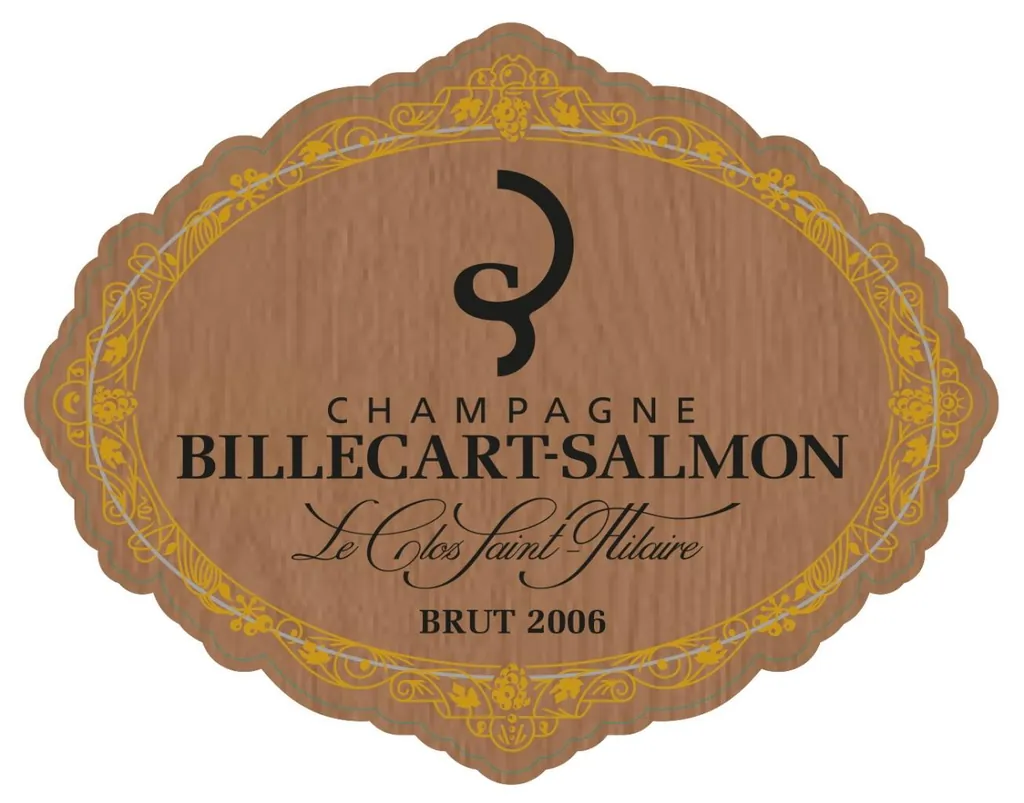
Billecart-Salmon • Champagne, France
Le Clos Saint‑Hilaire is Billecart‑Salmon’s tiny, single‑parcel Champagne from a walled one‑hectare vineyard in Mareuil‑…Le Clos Saint‑Hilaire is Billecart‑Salmon’s tiny, single‑parcel Champagne from a walled one‑hectare vineyard in Mareuil‑sur‑Ay, made exclusively from Pinot Noir and traditionally vinified in oak to produce a richly textured, terroir‑driven…Learn More »
N/A
/750ml
2005 Retail Average
97
/100
2005 Pro Rating
Graceful yet quietly powerful, Billecart-Salmon’s 2005 Le Clos Saint-Hilaire layers baked yellow plum, roasted apple and strawberry compote with tones of toasted nuts, pastry spice, coffee cream and a touch of earthy undergrowth. The texture is creamy but taut, with very fine, gentle bubbles and a pinpoint, chalky freshness that reins in the wine’s generosity, leading to a long, sapid and subtly bitter-edged finish that speaks clearly of the vintage. A contemplative, refined expression of single-parcel Pinot Noir that emphasizes precision over sheer weight.
Roast guinea fowl with morel cream; Lobster in rich shellfish jus; Aged Comté or Beaufort cheese
no prices found for this wine (2005 vintage)
Location information not available
Le Clos Saint‑Hilaire is Billecart‑Salmon’s tiny, single‑parcel Champagne from a walled one‑hectare vineyard in Mareuil‑sur‑Ay, made exclusively from Pinot Noir and traditionally vinified in oak to produce a richly textured, terroir‑driven Blanc de Noirs; releases are extremely limited and individually numbered, with the house favouring long ageing, low dosage and ancestral vineyard practices (horse ploughing, sheep grazing) to highlight the site’s calcareous minerality and precise, vinous power.