
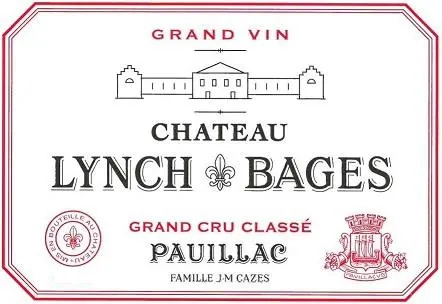
Chateau Lynch-Bages • Pauillac, France
Château Lynch-Bages is the powerful, Cabernet Sauvignon–led Grand Vin of this Pauillac Fifth Growth estate, sourced from…Château Lynch-Bages is the powerful, Cabernet Sauvignon–led Grand Vin of this Pauillac Fifth Growth estate, sourced from deep Garonne gravel terraces overlooking the Gironde and typically aged around 15–18 months in predominantly new French…Learn More »
N/A
/750ml
1999 Retail Average
88
/100
1999 Pro Rating
There’s an easygoing, savoury charm to Chateau Lynch-Bages 1999: mellow blackcurrant and red berry fruit glide over notes of cedar, tobacco and forest floor, with a gentle leafy edge that keeps it honest rather than grand. The palate feels medium-bodied and supple, more about drinkability than drama, and now shows the relaxed confidence of a fully mature, quietly underrated Pauillac.
roast lamb with rosemary, grilled ribeye with herb butter, mushroom and Comté burgers
no prices found for this wine (1999 vintage)
Château Lynch-Bages is the powerful, Cabernet Sauvignon–led Grand Vin of this Pauillac Fifth Growth estate, sourced from deep Garonne gravel terraces overlooking the Gironde and typically aged around 15–18 months in predominantly new French oak. Despite its “mere” Fifth Growth status, it is renowned for a bold, structured style marked by dense cassis, graphite, cedar and tobacco notes, and a proven ability to age gracefully for decades, earning it a reputation as a Pauillac benchmark and a so‑called “poor man’s Mouton.”