
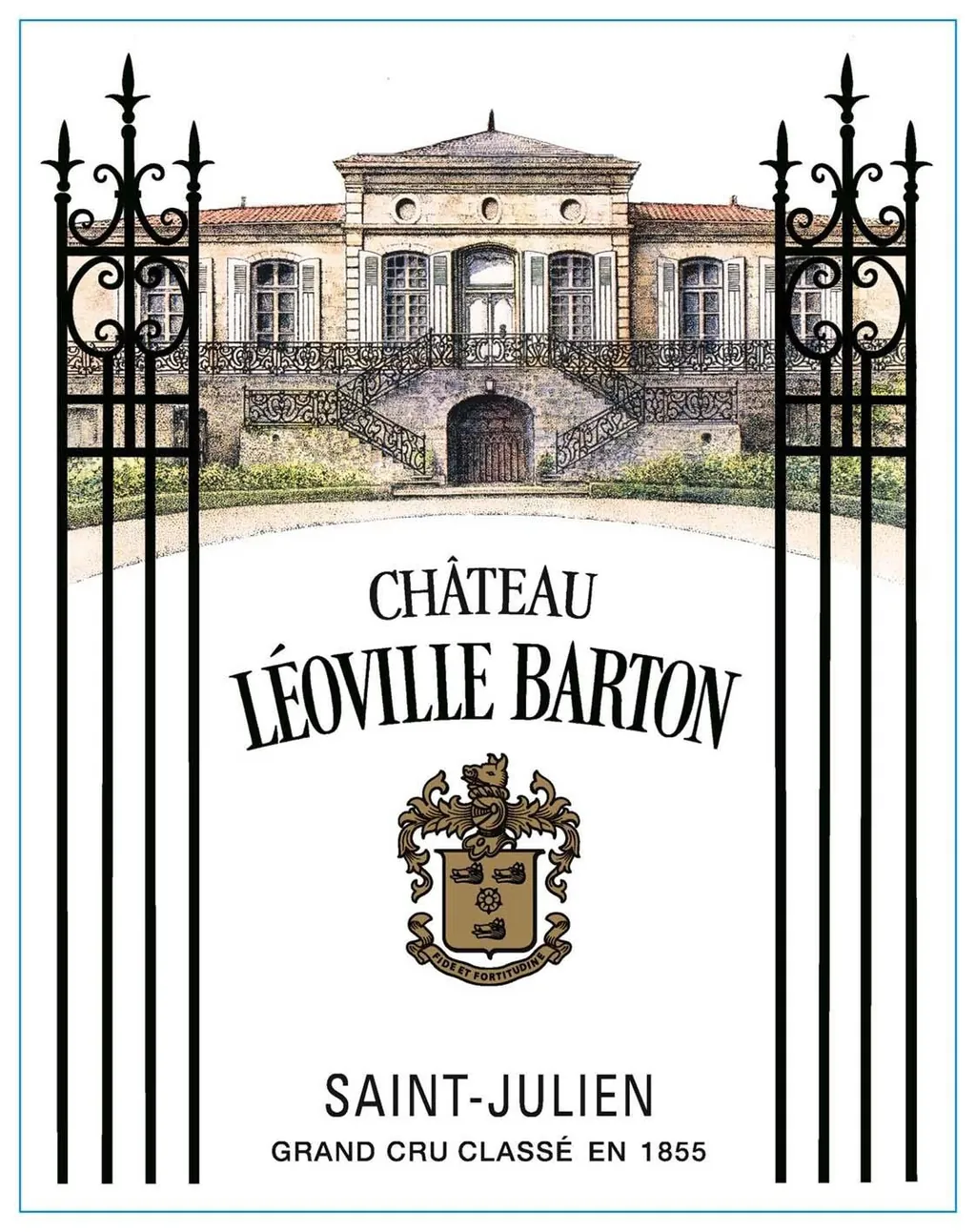
Chateau Leoville Barton • St-Julien, France
Château Léoville Barton is the grand vin of this historic 1855 Second Growth estate in Saint-Julien, crafted predominant…Château Léoville Barton is the grand vin of this historic 1855 Second Growth estate in Saint-Julien, crafted predominantly from Cabernet Sauvignon with Merlot and a touch of Cabernet Franc on deep Garonne gravel and clay facing the Gironde.…Learn More »
$285
/750ml
2009 Retail Average
95
/100
2009 Pro Rating
Structure leads the way here: 2009 Château Léoville Barton is dark, packed with layered blackcurrant and plum fruit, edged by cocoa, cedar and a touch of earth, all wrapped in firm but beautifully polished tannins. The power of the vintage comes through in its depth and concentration, yet the wine stays bright and focused, finishing long, dry and composed, with the promise of even greater nuance as it matures.
Dry-aged ribeye with bone marrow, Roast lamb with rosemary and garlic, Braised beef short ribs

Château Léoville Barton is the grand vin of this historic 1855 Second Growth estate in Saint-Julien, crafted predominantly from Cabernet Sauvignon with Merlot and a touch of Cabernet Franc on deep Garonne gravel and clay facing the Gironde. Made at neighboring Château Langoa Barton and aged in a high proportion of new French oak, it is known for its classically structured, aristocratic style—combining dense blackcurrant fruit, cigar-box complexity, and firm yet refined tannins that reward long cellaring.