
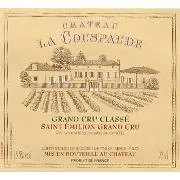
Chateau La Couspaude • St. Emilion, France
Château La Couspaude is a small, walled Saint‑Émilion estate (about 7 ha) long owned by the Aubert family and planted on…Château La Couspaude is a small, walled Saint‑Émilion estate (about 7 ha) long owned by the Aubert family and planted on the limestone plateau; its flagship Grand Cru is a Merlot‑dominant, modern‑styled blend (with Cabernet Franc and some C…Learn More »
$80
/750ml
Current Retail Average
N/A
/100
Average Pro Rating
Château La Couspaude is a small, walled Saint‑Émilion estate (about 7 ha) long owned by the Aubert family and planted on the limestone plateau; its flagship Grand Cru is a Merlot‑dominant, modern‑styled blend (with Cabernet Franc and some Cabernet Sauvignon) that shows ripe plush fruit, often noticeable new‑oak influence from élevage in French barrels, and the bright mineral lift typical of Saint‑Émilion’s clay‑limestone terroir.Learn More »
Choose a specific vintage from the list above to view detailed tasting notes, drinking windows, and food pairing recommendations.


Location information not available
Château La Couspaude is a small, walled Saint‑Émilion estate (about 7 ha) long owned by the Aubert family and planted on the limestone plateau; its flagship Grand Cru is a Merlot‑dominant, modern‑styled blend (with Cabernet Franc and some Cabernet Sauvignon) that shows ripe plush fruit, often noticeable new‑oak influence from élevage in French barrels, and the bright mineral lift typical of Saint‑Émilion’s clay‑limestone terroir.